
Open Office vs. Private Offices: Finding the Right Balance for Houston Companies
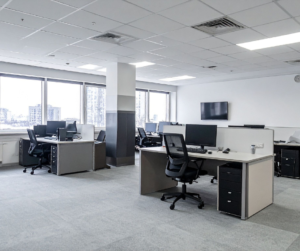 The open office revolution promised collaboration, transparency, and cost savings. In many Houston workplaces, it delivered something different: noise, distraction, and a desperate search for quiet corners. Yet the fully private office model is not without its own drawbacks — isolation, reduced spontaneous collaboration, and underutilized space.
The reality is that neither extreme serves most businesses well. The most effective modern offices combine elements of both — and the key is knowing how to find that balance for your specific team, culture, and work type.
The Case for Open Layouts
Open offices done well — not just desks crammed together — genuinely support certain kinds of work. They encourage spontaneous communication, make supervision and team coordination easier, and can reduce per-seat furniture and real estate costs. For sales teams, creative departments, and startups with collaborative cultures, open environments can be energizing.
Open concept and collaborative furniture systems, including benching and open seating, are designed specifically for these environments. Paired with acoustic management strategies, they can function well for the right team.
The Case for Private Offices and Enclosed Spaces
For focused work, confidential conversations, and leadership functions, enclosed spaces remain essential. Industries like legal, financial services, healthcare administration, and executive leadership require private office environments — not just for preference, but for compliance and client trust.
Even in companies with open floor plans, the research consistently shows that employees who have access to private spaces when they need them are more productive and more satisfied. Executive office suites and acoustic pods can provide this without requiring full wall construction.
The Activity-Based Working Model
A growing number of Houston businesses are adopting activity-based working (ABW) — a design philosophy that provides different workspace types for different tasks rather than assigning every employee a single permanent desk. In an ABW environment, you might find:
- Open benching areas for collaborative and administrative work
- Quiet zones with higher-panel cubicles for focused work
- Small huddle rooms and meeting areas for team collaboration
- Private phone booths or pods for confidential calls
- Lounge spaces for informal conversations
ABW designs require thoughtful space planning to work — employees need to be able to find available spaces quickly, and the right balance of space types must be calibrated to the team’s actual work patterns.
Acoustic Zoning: The Hidden Key to Open Office Success
The most common failure mode in open offices is noise. Without deliberate acoustic zoning, sound travels freely across the floor and destroys the concentration that open offices are supposed to support. Acoustic zoning means physically separating loud activities (phone calls, video meetings, casual conversation) from quiet activities (writing, analysis, detailed work) using furniture, layout, and materials.
Privacy screens and space dividers, high-panel cubicles, and demountable walls all contribute to acoustic separation without requiring permanent construction.
How to Decide What Your Houston Office Needs
There is no universal formula. The right balance depends on:
- The nature of the work (collaborative vs. focused)
- The size and structure of your teams
- Your company culture and management style
- Your current and projected headcount
- Your lease term and renovation flexibility
Our space optimization team helps Houston businesses answer these questions before making furniture investments. A workplace strategy consultation can save you from buying the wrong solution for your culture and then living with the consequences for years.
Schedule a free consultation to discuss your current layout and what a better-balanced office could look like for your team.